
Whistleblower Reveals Secret "Backdoor" Negotiations and Foreign Pressure
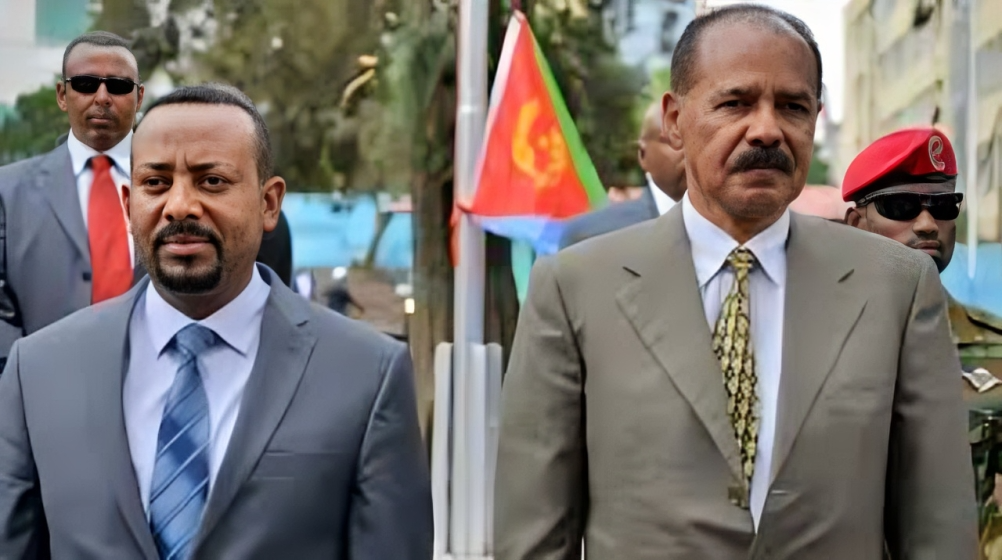
A new report by analyst Mateos Zalalem highlights a stark contrast between the Ethiopian government’s public rhetoric and its private diplomatic actions. According to secret documents and high-level leaks, the Abiy Ahmed regime is currently operating in a state of "panic" due to the perceived coordination between Eritrean forces, Tigrayan elements, and the Amhara Fano [00:36].
Key Revelations from the Report:
- Secret Mediation: Representatives from the European Union, African Union, and the United Nations have reportedly been involved in "backdoor" attempts by the Abiy administration to negotiate with Eritrea. The goal is to create a "gap" or ceasefire in the north to allow the Ethiopian National Defense Force (ENDF) to consolidate its power against the Fano insurgency in the Amhara region [01:06].
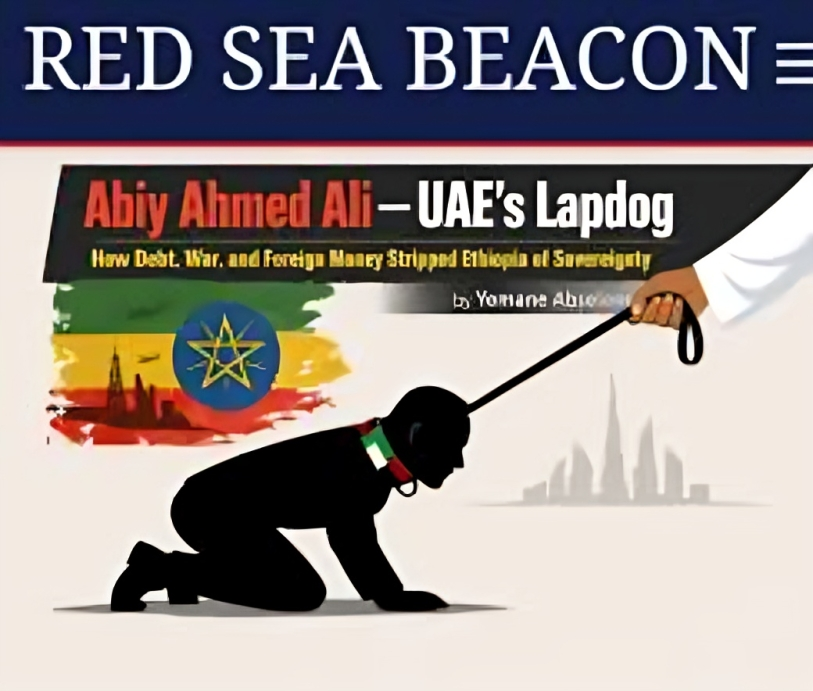
- UAE Influence: The report alleges that PM Abiy is acting as a "personal executor" for UAE President Mohamed bin Zayed. Claims are made that the UAE is pressuring Ethiopia to open a new front against Eritrea and Tigray. This move is allegedly intended to draw Sudanese-aligned Tigrayan forces back across the border, thereby easing the pressure on UAE-backed interests in the Sudanese conflict [15:28], [16:03].
- Military Relocation: Large contingents of the ENDF, including elite Republican Guard and commando units, are reportedly being moved from Oromia and other regions toward the borders of Wolkait and Tigray in preparation for potential escalations, despite internal warnings that the army is not ready for a full-scale war [10:02], [15:53].
The "Letter of Hope" and Territorial Disputes:
The video discusses a "secret letter" involving issues in the Afar region and Wolkait, suggesting that the administration is using these territorial disputes as bargaining chips or triggers for broader conflict under external instruction. Diplomatic sources suggest that while Ethiopian security officials are pleading for de-escalation with Western powers, their "handlers" in Abu Dhabi are pushing for the opposite [13:50], [16:24].
This evolving situation suggests a complex web of foreign intervention where Ethiopia's domestic security policy is being heavily influenced by Gulf interests, potentially leading the Horn of Africa toward further instability.